
Hail Damage vs. Normal Wear: How to Tell the Difference Before You Call Your Insurance Company
A storm just came through St. Charles County, and you're standing in the driveway looking up at your roof, trying to decide if what you're seeing is worth a phone call. That's the right question to ask before you call anyone. Filing a claim on ordinary wear can leave a mark on your insurance history without getting you anything in return, and ignoring real hail damage lets a small problem turn into a leak. The difference comes down to a handful of specific, checkable signs, not a gut feeling from the yard.
Hail damage and normal wear can look similar from thirty feet below, which is exactly why insurers and roofers rely on close, hands-on inspection rather than a driveway glance. From us at LSL Roofing, here's what actually separates the two, and how to read your own roof before you pick up the phone.
What Hail Damage Actually Looks Like
Hail doesn't punch holes in a healthy asphalt shingle the way people picture it. It bruises. A hailstone striking a shingle fractures the fiberglass mat underneath the granule coating without necessarily tearing all the way through, and that fracture is what an adjuster is trained to look for.
On the surface, you're looking for randomly scattered dark spots where the black asphalt mat shows through, often with a soft or slightly spongy feel when you press on them, unlike the surrounding shingle. Granules knocked loose in the impact tend to pile up in gutters and at the base of downspouts within a day or two of the storm.
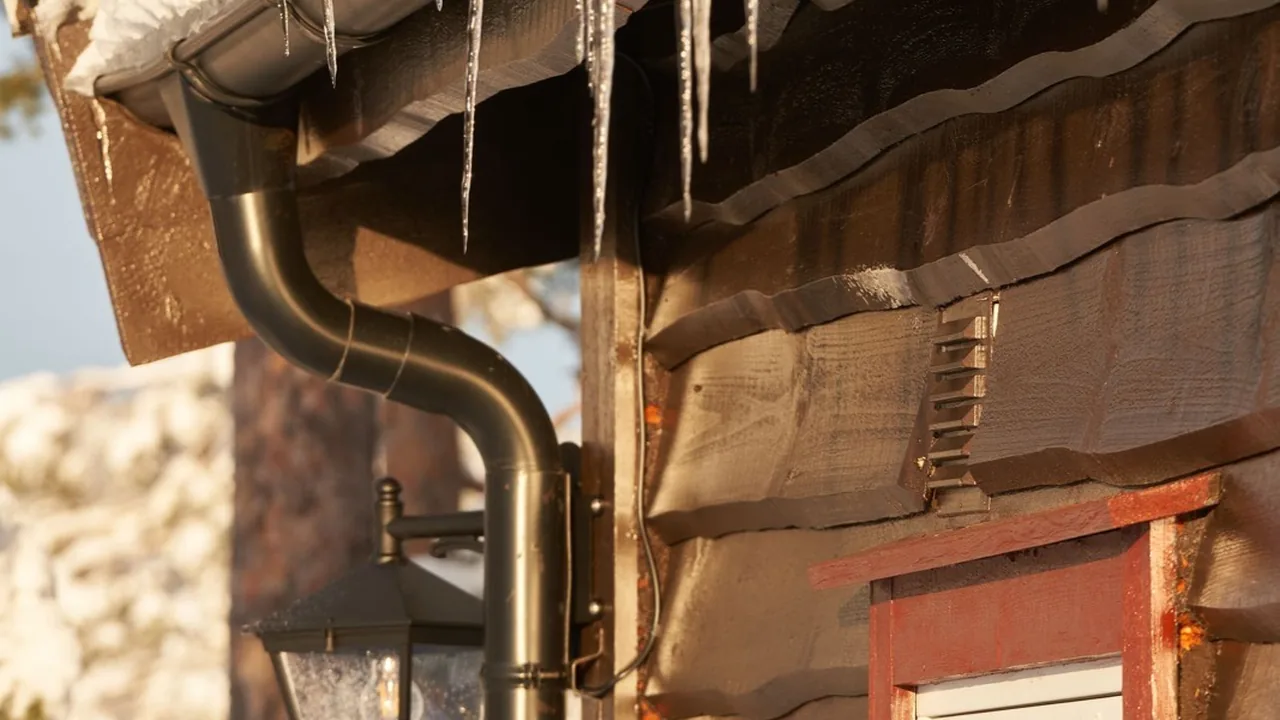
Hail also hits everything metal on your roof and property at the same time it hits the shingles, which is why those metal surfaces are often the easiest confirmation. Check gutters, downspouts, roof vents, flashing, and your outdoor AC unit's fins for small round dents. If those show fresh dents and your shingles show scattered dark spots concentrated on the side of the roof that faced the storm, that pattern points to hail rather than age.
- Randomly scattered, circular bruises or soft spots on the shingle surface
- Bare, shiny patches where granules were knocked completely off
- Fresh dents on gutters, vents, flashing, or the AC unit
- Granules collecting in gutters or at downspouts shortly after a storm
- Damage concentrated on the roof slope that faced the storm's direction
What Normal Wear Actually Looks Like
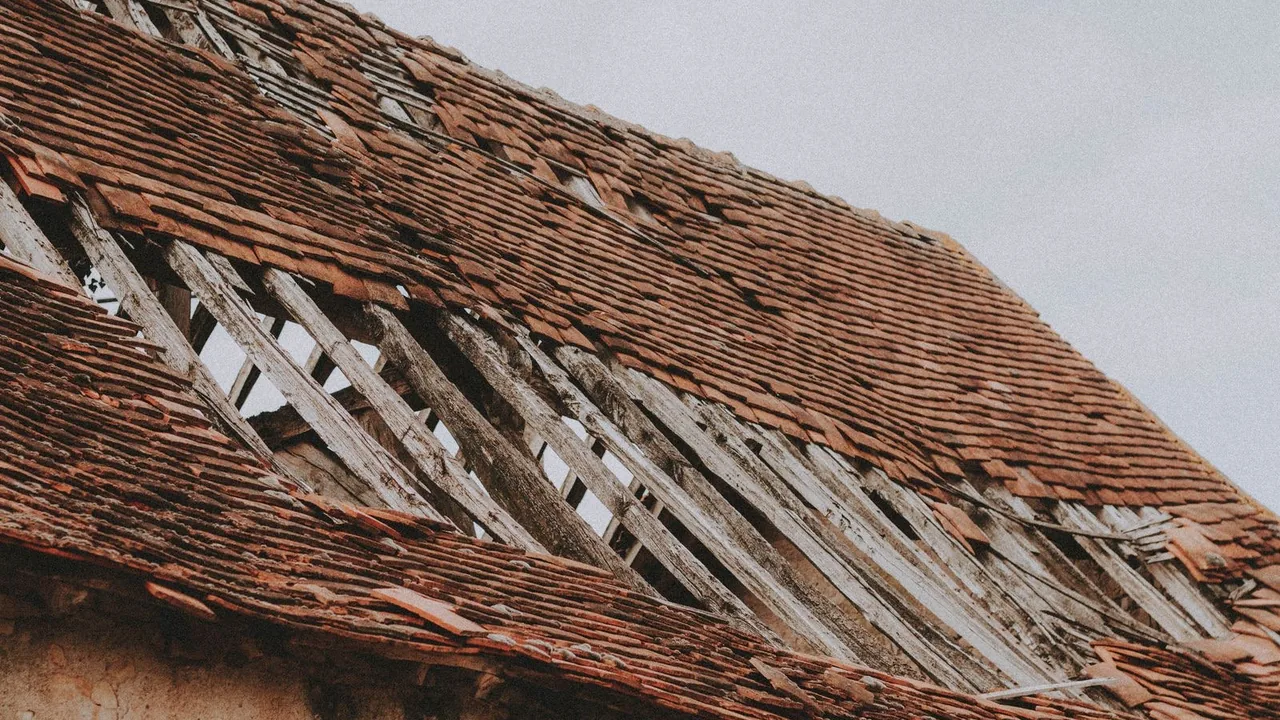
Age damages a roof in a completely different pattern: even, gradual, and roof-wide rather than scattered and sudden. Years of sun exposure dry out the asphalt and cause shingles to curl at the edges or cup in the middle, a shape hail impact doesn't produce. Granule loss from age happens uniformly across the whole roof as the asphalt gradually sheds its coating, not in the randomly spaced circles hail leaves behind. Cracking from age tends to run in straight lines along the shingle's natural stress points, while hail cracks are irregular and centered on an impact point.
| Sign | Hail Damage | Normal Wear |
|---|---|---|
| Pattern | Random, circular, scattered | Even and roof-wide |
| Location | Concentrated on storm-facing slope | Distributed across all slopes |
| Shingle edges | Usually flat, bruising is centered | Curling or cupping at edges |
| Metal components | Fresh dents on vents, flashing, gutters | No new dents |
| Timing | Tied to a specific storm date | Gradual over years |
| Granule loss | Sudden, piles in gutters after storm | Slow, steady accumulation over time |
Timing is the other tell. Wear shows up slowly over years and has no single date attached to it. If nothing unusual happened to your roof recently and you're just noticing granules in the gutter for the first time, you're more likely looking at a roof reaching the end of its life than storm damage. A roof already past 20 years old is going to show wear regardless of what the weather did last week, which is part of why age and storm damage sometimes get confused on an older roof.
Why Your Roof’s Age and Material Change the Read
A brand-new architectural shingle roof and a fifteen-year-old one respond to the same hailstorm differently, and that matters when you're trying to read your own roof. Architectural shingles are thicker and more impact-resistant than older three-tab shingles, so a storm that would fracture a three-tab roof might only bruise an architectural one. An older roof that's already lost some flexibility from UV exposure bruises more easily and shows damage from smaller hail than a newer roof would.

If your roof is nearing the back half of its expected life, hold both possibilities in mind: the storm may have caused real functional damage, or it may have simply exposed wear that was already there. Either way, the roof deserves a closer look before you decide anything.
The One Test a Driveway Look Can’t Run
Insurance adjusters and roofing contractors draw a hard line between cosmetic damage, which affects appearance but not performance, and functional damage, which shortens the roof's service life or lets water in. That distinction is exactly what decides whether a claim gets paid, and it can't be settled from the ground. It takes someone on the roof, testing suspect spots by hand, to tell a shallow surface mark from a fractured mat that's going to fail early. This is also where most homeowners either underclaim or overclaim: what looks alarming from the yard sometimes turns out to be cosmetic, and what looks fine from the yard sometimes hides a real fracture under intact granules.
What to Do Before You Call Your Insurance Company
Walk the property, not the roof. Photograph dented gutters, vents, screens, and siding from the ground. Stay off the roof yourself; it's steep, it's often wet after a storm, and a fall is not worth confirming a claim you can get confirmed safely another way.
Note the exact storm date. Claims get tied to a specific weather event, and having the date on hand speeds up everything that follows.
Check for interior signs. A fresh ceiling stain or damp attic decking changes the urgency, since active water intrusion needs attention regardless of what the exterior shows.
Get a roof-level inspection before you file. A free inspection tells you whether there's a real, storm-caused, functional claim before you put anything on your insurance record. If the answer is no, you've lost nothing but a phone call.
File within your policy's window. In Missouri you generally have twelve months from the date of loss to file a storm claim, so there's time to get an honest read first.
Frequently Asked Questions
Does hail damage always cause a leak right away?
No. Most hail damage is a bruise, not a hole, so it often doesn't leak for months. The shingle mat is fractured and weakened, and it's the next heavy rain or the next freeze-thaw cycle that turns that hidden fracture into an active leak, which is why an inspection soon after a storm catches problems before they show up inside the house.
Can hail damage a roof that's less than five years old?
Yes, if the hail is large enough or wind-driven at a steep angle. Newer architectural shingles resist smaller hail better than older ones, but a strong enough storm can still fracture the mat on a roof of any age. Age changes the threshold, not the possibility.
Will my insurance company just take my word for the damage?
No, and you shouldn't want them to. Adjusters base their decision on a documented, roof-level inspection, which is also the best protection for you. Photos, a written summary, and a contractor who can point out the same damage the adjuster is looking for all strengthen a legitimate claim.
What if the inspection finds nothing worth filing over?
Then you've saved yourself a claim that likely would have been denied anyway, and an unnecessary claim on your record. A straight “your roof is fine” answer from an inspection is a useful outcome, not a wasted one.
Is it worth filing for damage that's mostly cosmetic?
Usually not on its own, since standard policies are built around functional damage. But cosmetic marks are worth documenting anyway, because they sometimes accompany functional damage elsewhere on the roof that isn't visible from the same vantage point.
The Bottom Line
Hail damage and roof age can look similar from the yard, but they leave different fingerprints once someone gets on the roof and looks closely: scattered bruising tied to a storm date versus even wear spread across the whole surface. That distinction is worth getting right before you file anything, and it only takes one honest inspection to settle it.
LSL Roofing offers a free roof inspection across Lake Saint Louis and St. Charles County, with a photo report you keep whether you file a claim or not. If the roof shows real storm damage, our hail damage roof repair team documents it the way an adjuster needs to see it, and our roof insurance claims support walks you through filing correctly the first time.
For more background before you call anyone, see our guides on filing a roof insurance claim in Missouri and the signs your roof needs replacing.
Free, photo-documented inspection and a firm written price. No pressure, no in-home sales pitch.