
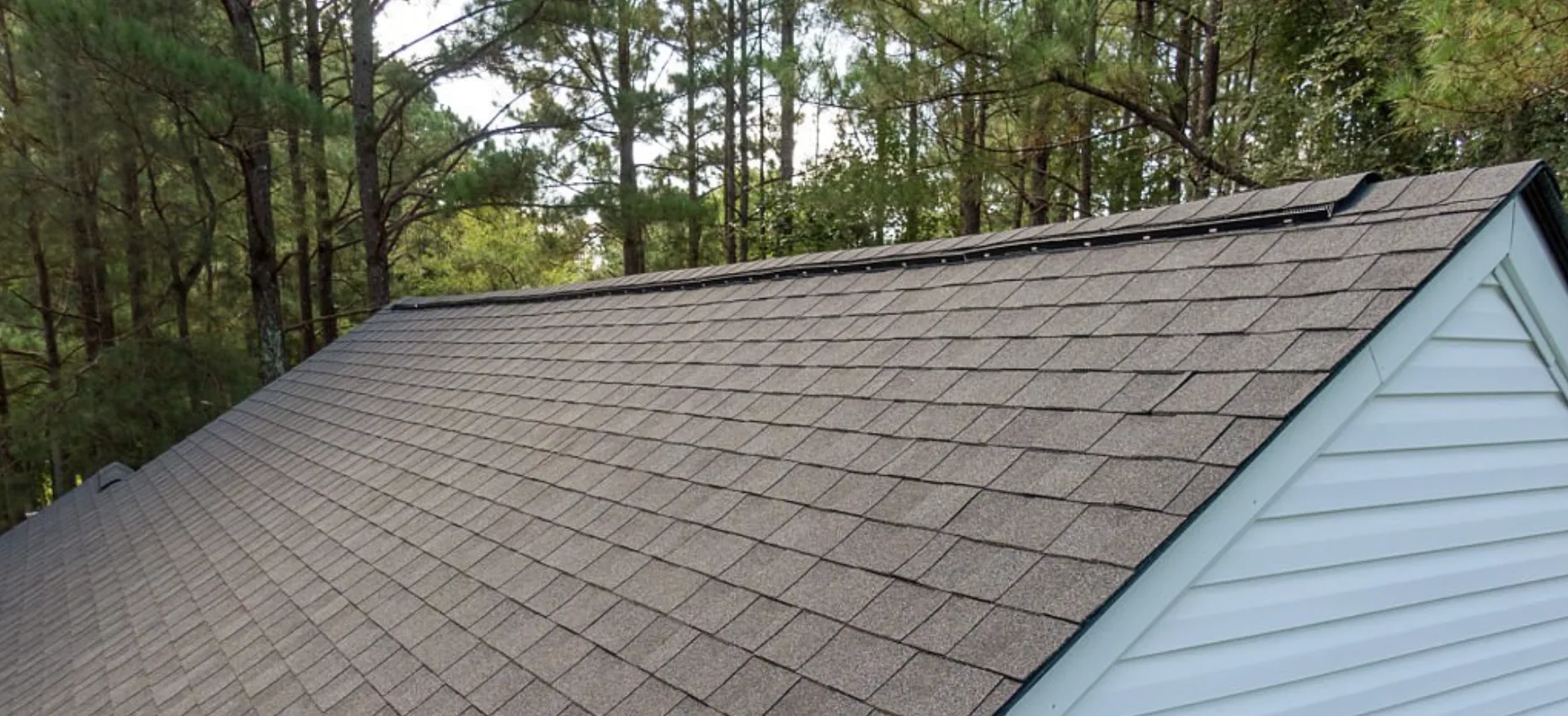
Selling Your House with a 15-Year-Old Roof: Your Real Options in the St. Louis Metro
A 15-year-old roof rarely kills a sale in the St. Louis metro, but it does one of three things: triggers a lender requirement you have to satisfy before closing, becomes a negotiating point that costs you more than a proactive fix would have, or sits quietly as a disclosure question you need to answer honestly. Which one you're facing depends on your roof's actual condition, not just its age, and knowing the difference now shapes whether you replace, repair, or simply price around it. LSL Roofing sees this exact situation regularly from St. Charles County homeowners preparing to list.
Why 15 Years Specifically Raises Questions
Most architectural asphalt shingle roofs in this area carry a manufacturer-rated lifespan around 25 to 30 years, so a 15-year-old roof isn't automatically failing. What it does trigger is scrutiny. Buyers using conventional financing may not think twice about it. Buyers using an FHA loan face a specific standard their lender's appraiser has to apply, and that's where age starts to matter regardless of how the roof actually looks from the ground.
The Financing Wall Most Sellers Don't See Coming
FHA-backed loans, a common financing path for many buyers in this price range, require the property to meet HUD's minimum property standards. On the roof specifically, HUD's own reference guide states that the appraiser must evaluate whether the roof has a remaining physical life of at least two years, and if it doesn't, the appraiser is required to report that condition. In practice, this means an FHA appraiser who judges your 15-year-old roof to have less than two years of useful life left can hold up the loan until the roof is repaired or replaced, regardless of what you and the buyer had already agreed to.
This isn't a guaranteed problem at 15 years. A well-maintained architectural shingle roof at that age often still has a decade or more of rated life, and a good appraiser bases the call on visible condition, not just the number on paper. But it's a real risk you don't control once a buyer's specific loan type enters the picture, and it's worth knowing about before you're renegotiating during an active contract.
What You Actually Have to Tell a Buyer
Missouri doesn't require sellers to complete an exhaustive, state-mandated disclosure form the way some states do. But that doesn't mean nothing is required. If you're working with a licensed real estate agent, Missouri law requires that agent to disclose to any customer all adverse material facts they actually know or reasonably should know, which includes a roof issue the agent is aware of. As the seller, being upfront about a roof's known condition, rather than hoping an inspection doesn't surface it, avoids both the disclosure risk and the harder conversation that happens when a buyer feels blindsided mid-contract.
This isn't legal advice, and the specifics of what you're required to disclose can vary by your exact situation. Your listing agent or a real estate attorney is the right resource for transaction-specific guidance.
Your Three Real Options
Replace before listing
This removes the age question entirely, satisfies any FHA appraisal concern before it can come up, and gives you a fresh selling point rather than a liability. It costs money upfront, but a new roof often returns a meaningful share of that cost in sale price and almost always speeds up the sale itself, since buyers don't have to factor roof risk into their offer.
Repair strategically and disclose honestly
If the roof is sound but shows isolated wear, a targeted roof repair addressing the specific issues an inspector would flag can be far cheaper than a full replacement while still satisfying most buyers and most lenders. Pair this with honest disclosure of the roof's age and condition so nothing surprises anyone later.
Price around it and let the buyer decide
Some sellers price the home to reflect the roof's age upfront, effectively pre-negotiating the roof into the number rather than fighting about it during inspection. This works best in a seller's market or with cash buyers who aren't subject to an FHA appraisal, and worst when you're competing against similar homes with newer roofs at the same price point.
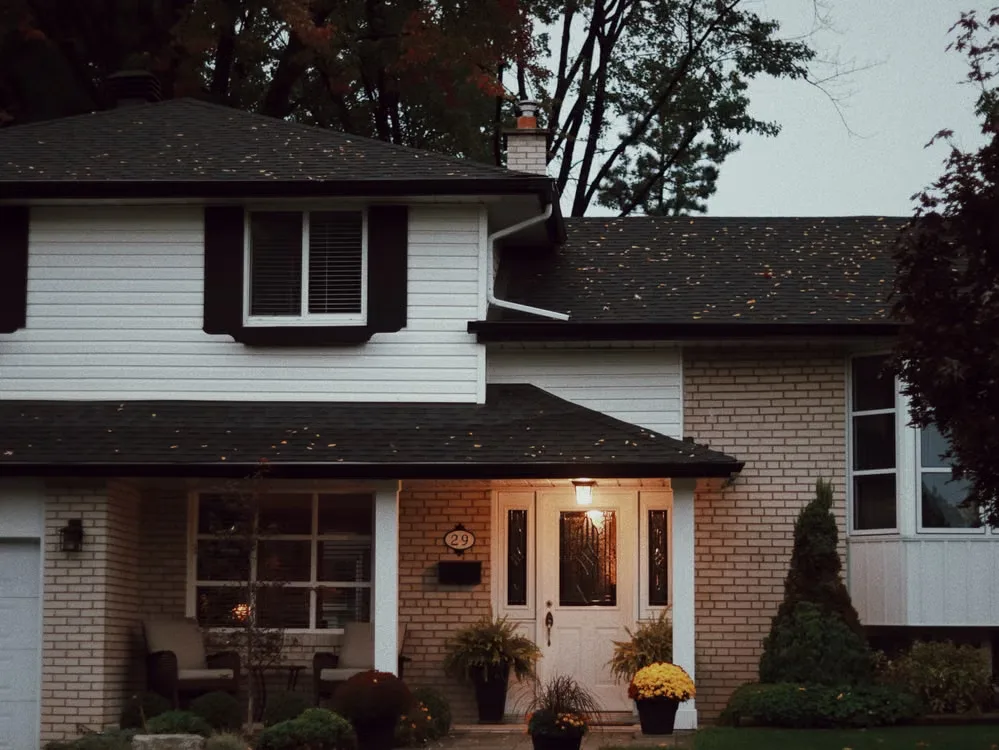
The Argument a Transferable Warranty Makes for You
If you do replace before listing, a workmanship warranty that transfers to the new owner is worth mentioning explicitly in your listing, not burying in paperwork. LSL's five-year workmanship warranty is a named warranty that transfers when the home sells, which gives a buyer's agent something concrete to point to rather than a vague assurance that "the roof was recently done." It's a detail that closes questions before they turn into negotiating leverage.
- A recent, itemized roofing invoice is worth keeping on file for buyer questions
- A transferable warranty document is worth including with your disclosure packet
- An FHA-financed buyer's appraisal is the specific risk to plan around, not buyers generally
- A free inspection before listing tells you which of the three options actually fits your roof
Getting an Honest Read Before You List
The right move depends on what your roof actually looks like up close, not its age on paper. Our free roof inspection gives you a photo report and an honest read on remaining life, useful whether you're deciding to replace, repair, or simply document the roof's condition for your listing. If replacement turns out to be the right call, our roof replacement cost guide shows what that actually runs in this market.
Frequently Asked Questions
Does a 15-year-old roof automatically fail an FHA appraisal?
No. FHA appraisers require at least two years of remaining physical life, which many well-maintained 15-year-old architectural shingle roofs still have. Condition matters more than the number alone, but it is a real risk specific to FHA-financed buyers.
Is Missouri a full disclosure state for home sellers?
Missouri generally follows a caveat emptor approach without a comprehensive state-mandated seller disclosure form, but licensed agents carry a specific statutory duty to disclose adverse material facts they know or should know. Talk to your agent or attorney about your specific disclosure obligations.
Will replacing my roof before selling actually pay for itself?
Often it recovers a meaningful share of the cost through sale price and typically speeds up the sale by removing a point of buyer hesitation, though the exact return varies by market conditions and how the roof compares to similar listings.
Does a transferable warranty actually matter to buyers?
Yes, more than most sellers expect. A named, transferable workmanship warranty gives a buyer's agent concrete language to use in the listing and answers a question that would otherwise sit as an open risk in the buyer's mind.
Should I get an inspection before I even talk to a real estate agent?
It's a reasonable first step. Knowing your roof's actual condition, rather than guessing from its age, lets you have a more informed conversation with your agent about pricing and disclosure strategy from the start.
Know Your Roof's Real Condition Before You List
A free inspection tells you whether you're looking at a replace, repair, or price-around-it situation, before a buyer's appraiser tells you instead. Call LSL Roofing at (314) 327-8842. We answer live 24/7 and offer same-day inspections.
Free, photo-documented inspection and a firm written price. No pressure, no in-home sales pitch.